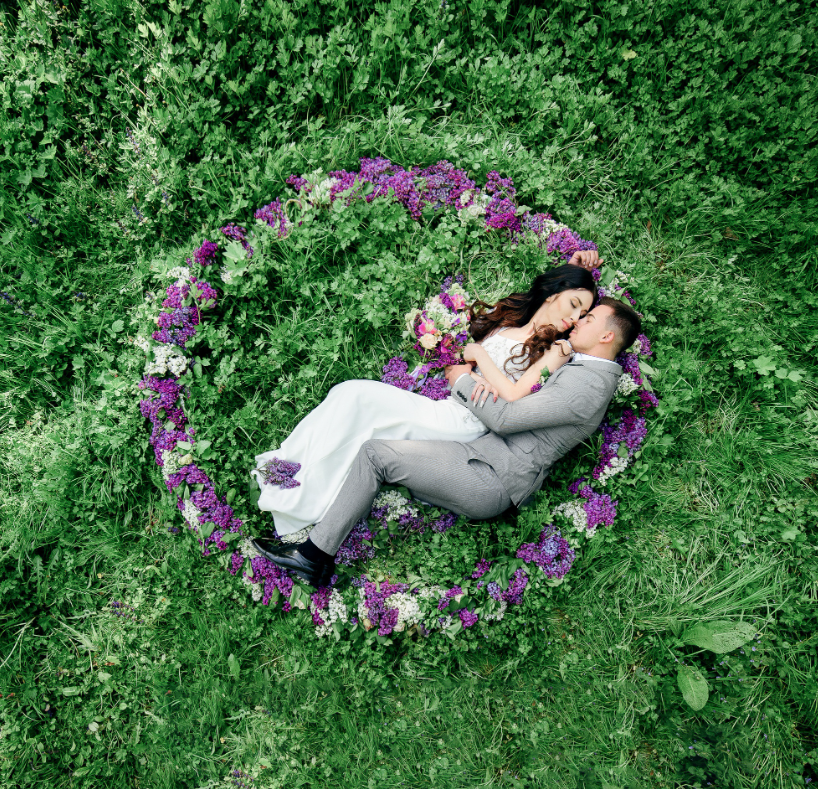
Composition is the foundation of compelling photography. It's the arrangement of elements within your frame that guides the viewer's eye and tells a story. While rules are meant to be broken, understanding these fundamental principles will give you the knowledge to create powerful, intentional images.

1. The Rule of Thirds
Imagine dividing your frame into nine equal sections with two horizontal and two vertical lines. Place key elements along these lines or at their intersections. This creates balance and interest that's more appealing than centering your subject.
Most cameras and phones have a grid overlay option—use it! For portraits, place the eyes on the top horizontal line. For landscapes, place the horizon on either the top or bottom line, depending on what you want to emphasize.
2. Leading Lines
Use natural or man-made lines to lead the viewer's eye through your photograph. Roads, fences, rivers, or architectural elements can serve as powerful leading lines that create depth and perspective.

A winding mountain road creates a strong leading line that draws the eye through the landscape.
Pro Tip
When using leading lines, think about where they're pointing. They should lead to your main subject or create a journey through the image. Curved lines are generally more pleasing than straight lines, as they create a natural flow.
3. Frame Within a Frame
Using elements within your scene to frame your subject adds depth and context. Windows, doorways, arches, or even tree branches can create natural frames that isolate your subject and draw attention.
4. Symmetry and Patterns
The human eye is naturally drawn to symmetry and repeating patterns. Architectural photography often benefits from perfect symmetry, while nature provides endless organic patterns.
Break the pattern occasionally to create interest—a single red apple in a basket of green ones, or one person walking against a crowd.

5. Fill the Frame
Sometimes, getting closer eliminates distractions and creates more impact. Filling the frame with your subject, especially in portrait or detail photography, can create intimate, powerful images.
"Composition is the strongest way of seeing. It's not just about what you include in the frame, but what you choose to exclude." – Edward Weston
6. Negative Space
The opposite of filling the frame, negative space uses empty areas to emphasize your subject. This creates a minimalist, powerful composition that gives your subject "room to breathe."
7. Depth of Field
Using shallow depth of field (wide aperture like f/1.8) blurs the background and isolates your subject. Deep depth of field (small aperture like f/16) keeps everything in focus, useful for landscapes.
Technical Note
Remember the exposure triangle: aperture, shutter speed, and ISO all work together. When you change your aperture for depth of field, you'll need to adjust shutter speed or ISO to maintain proper exposure.
8. Perspective and Angle
Don't just shoot from eye level. Get low, climb high, or shoot from unusual angles. Changing your perspective can transform an ordinary scene into something extraordinary.
9. Balance and Visual Weight
Elements in your frame have "visual weight" based on size, color, and placement. Balance these elements so no single part of the image feels too heavy or empty.
10. Break the Rules Creatively
Once you've mastered these rules, start breaking them intentionally. Place your subject dead center for a powerful statement. Tilt your camera for dynamic energy. Understanding the rules gives you the power to break them effectively.
Practical Exercise
This week, try this challenge:
- Take 10 photos using the rule of thirds
- Find 5 different leading lines in your environment
- Create 3 images with strong negative space
- Shoot the same subject from 5 different angles
- Intentionally break 2 composition rules in interesting ways
Review your images and note which compositions feel strongest. Composition is a skill that improves with practice and conscious effort.